
Mobile repairers say they are blazing new trails within the independent repair sector, and this growing cohort is eager to show that lessons learned on the road can be applied within static settings.
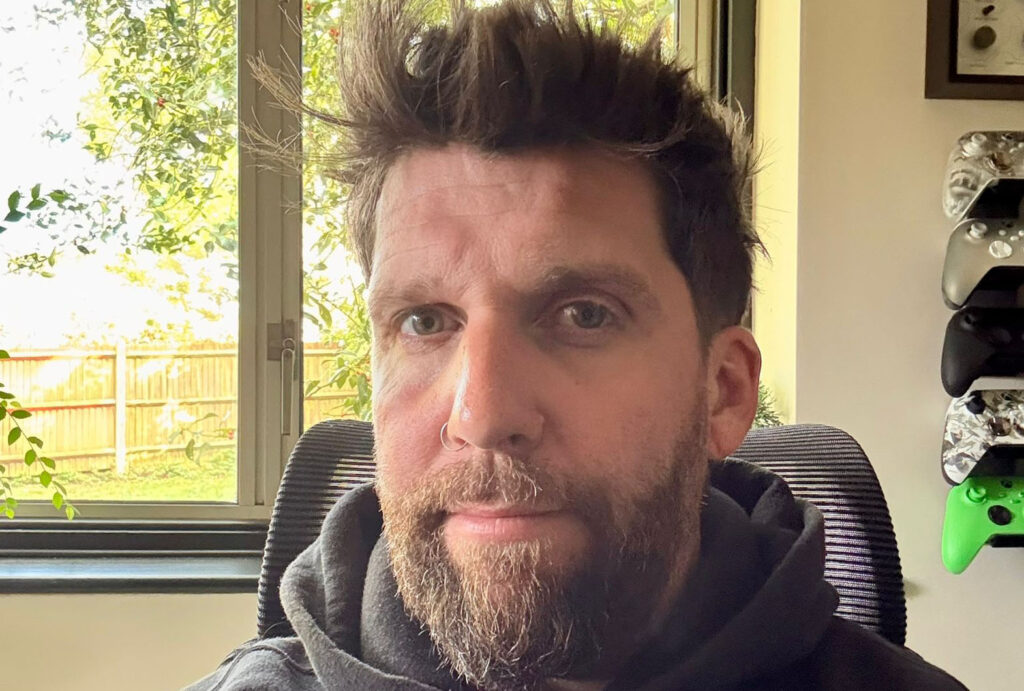
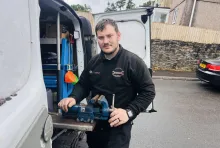
“Mobile repairers offer a different level of visibility, transparency and trust,” said Elliott Smart of Ell’s Auto Care (pictured below). “There’s huge market potential for mobile mechanic services and, done properly, they can sit alongside traditional workshops as a trusted, professional part of the wider repair sector, giving customers more choice without compromising on standards.”
Smart, whose business caters to customers in and around Bridgend, says overcoming preconceptions held by customers and within the trade is crucial: “There’s an assumption it’s a stop-gap service, when in practice, you can deliver the same level of diagnostic capability and repair standard as any fixed-site operation. Mobile means convenience, not compromise.”
It doesn’t end there though: “By going to the customer, you remove a layer of disruption from their day, but more than that, you take away the stress that comes with it.
Technology is also helping Elliott to stay ahead: “Everything is managed through a mobile-friendly garage management system, so I can handle bookings, send reminders, issue quotes and keep track of work from my phone. That level of organisation wasn’t there when I first started, and it’s made a big difference to both efficiency and growth.”
There are some lessons that some static garages could learn from mobile operators too: “You have to be commercially disciplined. If a job sits outside that plan and needs doing urgently, I’ll accommodate it, but it’s priced to reflect the time and impact.”
Real market
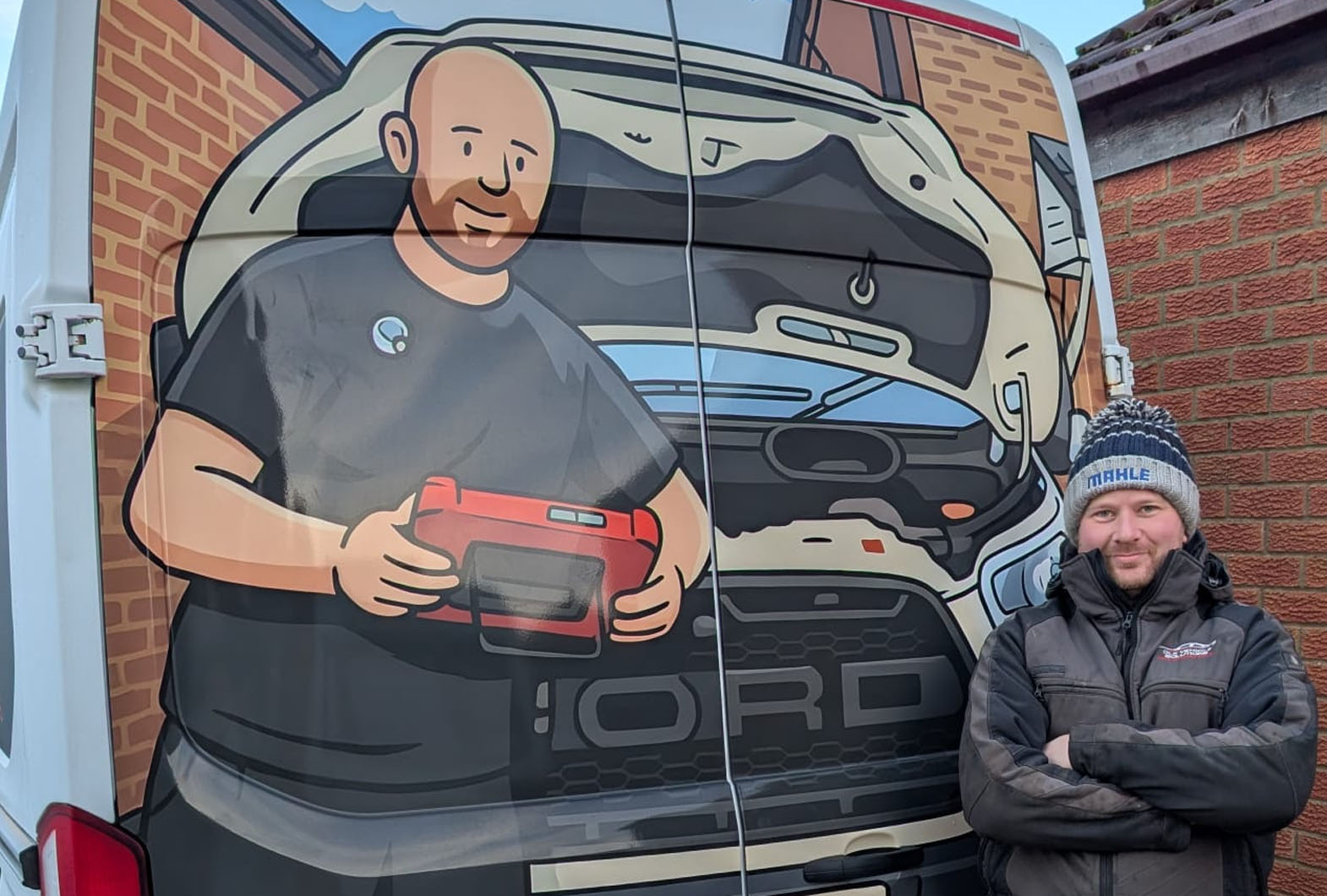
John Maynard (pictured below), who operates as JSM Mobile Mechanic, is based in Kent. He said going mobile had a big impact on how he works: “It’s the same job, but done completely differently. You need to be a self-starter. You certainly need to work a lot cleaner to operate on driveways. It’s not like having an oil spill in the workshop.” Tech is key as well: “Access to technical data makes the job easier and faster. I use Haynes Pro.”
Norfolk based Jordan Kendal is the founder of JLK Vehicle Solutions. He said: “There’s a real market for mobile which is why I’ve been successful. There are 4,000 people in my village, and around 15,000 in the next, yet there is just one garage.”
One challenge for mobile mechanics noted by Kendal is the need to be proactive about keeping up with the latest developments in the sector: “When you’re a garage, you get companies stopping by to show their latest products, including diagnostic kit. As a mobile mechanic you need to go to trade events and follow what is happening via social media. Technology is going to help you big time, but you have to go looking for it.”
Technology and knowledge
So what works best; mobile or static? London-based mechanic Natasha Rawal is doing both. She said: “I work as a mobile mechanic as well as in a workshop. It gives extra income and flexibility when I need it. It’s very different in terms of workspace. When you are mobile you are out there on your own without everything you need at your disposal.

“It also has advantages; it’s local and flexible and the customer relationship is different. I would recommend to anyone thinking about it. The workshop day-to-day helps me stay on top of technology and my knowledge though. It’s harder and more expensive to have the tools and technology if you are mobile on your own.”



Go to comments