
With more than two million electric vehicles on UK roads, and September 2026 the best month ever for EV sales, these cars and vans represent a potential growth area for independent workshops. However, many aren’t currently equipped to embrace the opportunities.
Last year, the Institute of the Motor Industry warned of a ‘catastrophic skills gap’ because fewer than a quarter of UK bodyshop technicians were qualified for high-voltage work. And now insurance companies are starting to refuse to cover workshops unless EV-trained technicians are onsite.
“From an underwriting perspective, garages working on high-voltage vehicles without appropriately trained technicians represent a significantly elevated risk,” explains Chartered Insurance Broker ACII Andrew Harris. “In the event of an incident, questions around competence, compliance and duty of care can directly impact liability and claims outcomes. And without evidence of appropriate training, this is a level of risk many insurers are no longer willing to accept.”
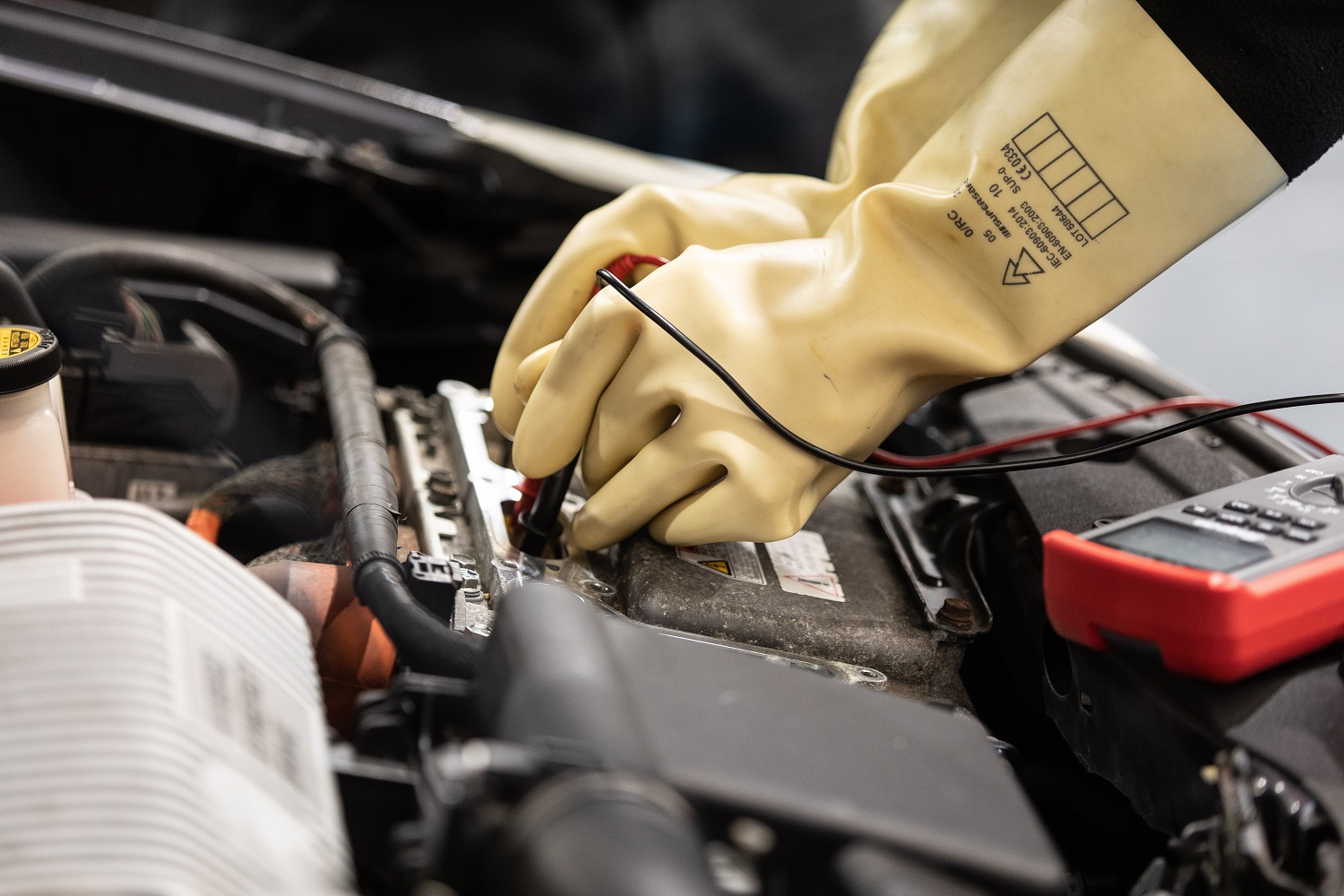
Commercial insurance broker John Miller of Miller & Partner, adds: “EV garage cover is now a specialist motor trade placement, best arranged via a broker who understands high-voltage risk. After all, EV systems typically run at 400-800 volts, posing a serious risk of electric shock.”
Technicians need a recognised qualification such as the IMI TechSafe™ standard to work safely. The organisation’s Chris Earnshaw points out that cover is becoming more sophisticated with caveats being regularly added, such as battery storage and documented closure.
In some cases photographic evidence is required as proof before cover is granted. “EV work needs insulated tools, diagnostic equipment and a designated battery quarantine area,” explains Earnshaw.
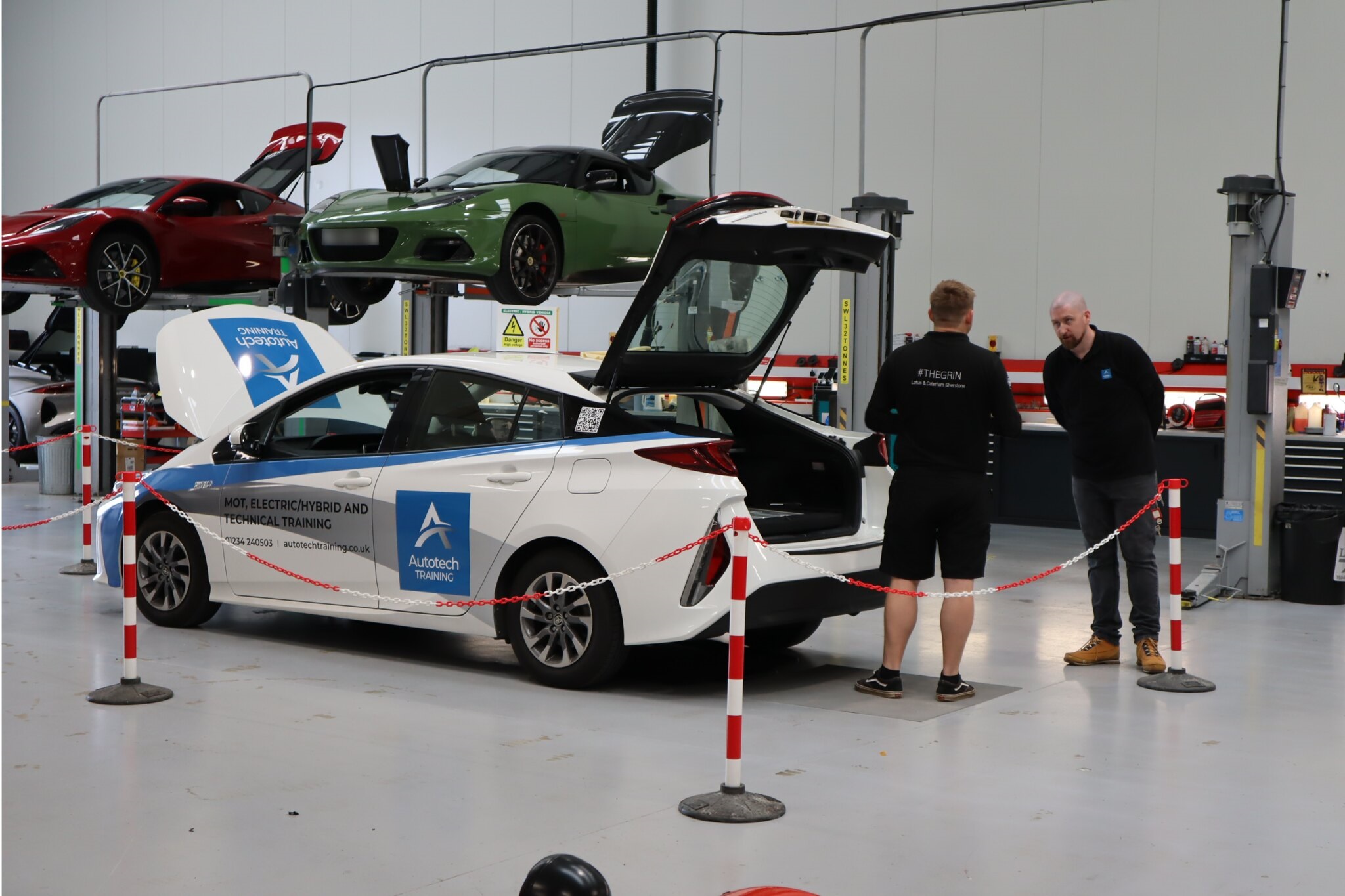
Autotech Training is one organisation stepping in to help workshops gain insurance cover, and its operations director Alistair McCrindle says it’s the pace of change, above all, that’s catching workshops out. “Skills that were relatively specialist in 2016 are now becoming fundamental, while technicians are increasingly expected to understand high-voltage systems, diagnostics and much more sophisticated vehicle technology.”
Autotech claims to have trained more than 10,000 personnel over the last decade, but the skills challenge is also becoming much broader, according to McCrindle. “This is no longer just about future-proofing or new revenue opportunities – it’s about meeting legal responsibilities and ensuring the business can continue to operate.”
While Autotech has its own EV training facility in Milton Keynes, it also delivers EV (and ADAS) training onsite at garages and businesses anywhere in the UK, enabling multiple technicians to be trained together on familiar equipment. Indeed, 87% of its courses were delivered onsite last year.
However, according to Steven Gillespie of Ascend Broking Group, workshops are rarely declined insurance solely because they work on electric vehicles. “The biggest concern from an insurer perspective,” he says, “is when a workshop expands into EV servicing or repair but fails to notify its insurer. If the insurer has been led to believe the business only works on conventional vehicles, this could create issues in the event of a claim.”
Gillespie continues: “Most specialist motor trade insurers will consider EV exposures, and increases in premiums vary significantly depending on the type of work being undertaken. Routine servicing and diagnostics may have little impact, whereas battery repairs, battery storage or work on accident-damaged EVs can attract greater underwriting attention.”
Cheltenham-based workshop Cleevely fully embraced EV work a decade ago and says its insurance costs haven’t increased because of it. “We’ve always had a good relationship with our insurer, which I invited down to see our workshop and our procedures,” says owner Matt Cleevely, who was the UK’s first independent technician to gain Level 4 accreditation. He adds that while roughly 60% of his work is now EV-focused, of this at least 90% remains normal running gear repairs, such as brakes.
And what about mobile mechanics? “My take is that, for insurers, being a mobile mechanic is not typically the issue”, says Gillespie. “However, insurer options can be more limited for businesses operating entirely on a mobile basis when compared with a traditional workshop environment.
“In reality, many mobile mechanics are well placed to undertake routine servicing and maintenance on EVs, but may not have the facilities required for more complex high-voltage work. This can result in insurers declining certain activities, restricting cover, or applying higher premiums due to a smaller pool of insurers willing to support the risk.”



Go to comments