

Two of the country’s leading aftermarket parts suppliers have launched initiatives designed to help independent workshops maintain the ever-increasing number of Chinese-built vehicles being sold in the UK.
First Line recently expanded its Chinese parts coverage and the assistance it offers independents. Meanwhile, GSF has just announced a new programme of investment “in stock, technical support and training to help customers capitalise on the rapid growth of Chinese vehicles”.
Chinese cars continue to reshape the UK market, with the latest SMMT data revealing a steep rise in registrations across 2026. They accounted for 15% of all UK new car sales during the first half of 2026 – an-eye opening 121% year‑on‑year increase, which the independent repair sector can't afford to ignore.
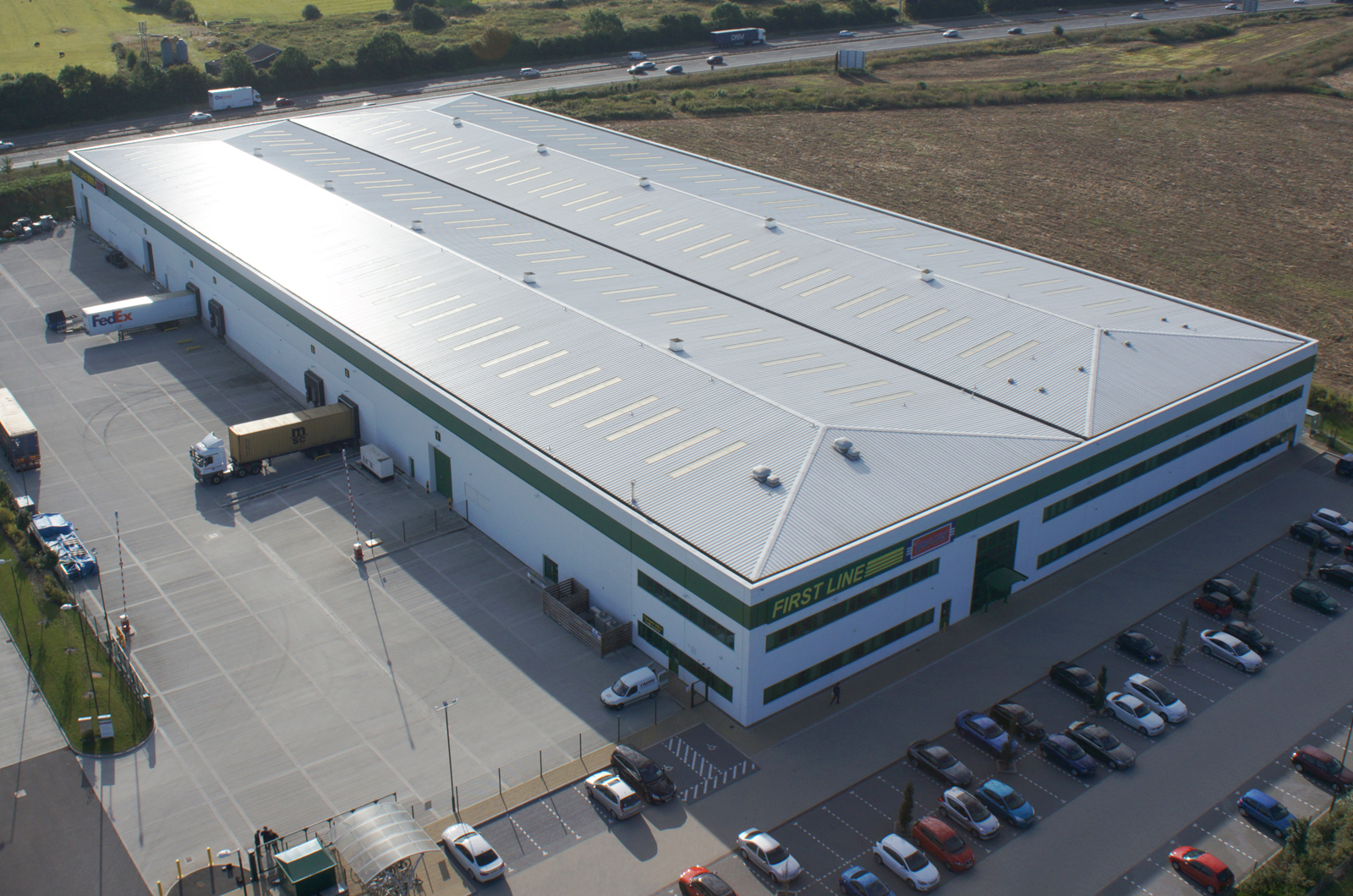
First Line contends that much of the wider industry discussion surrounding Chinese vehicles has focused on affordability, technology and the disruption they arguably bring to established manufacturers. However, it believes a far more practical question is emerging within the independent aftermarket: what happens when these vehicles start arriving in workshops in significant volumes?
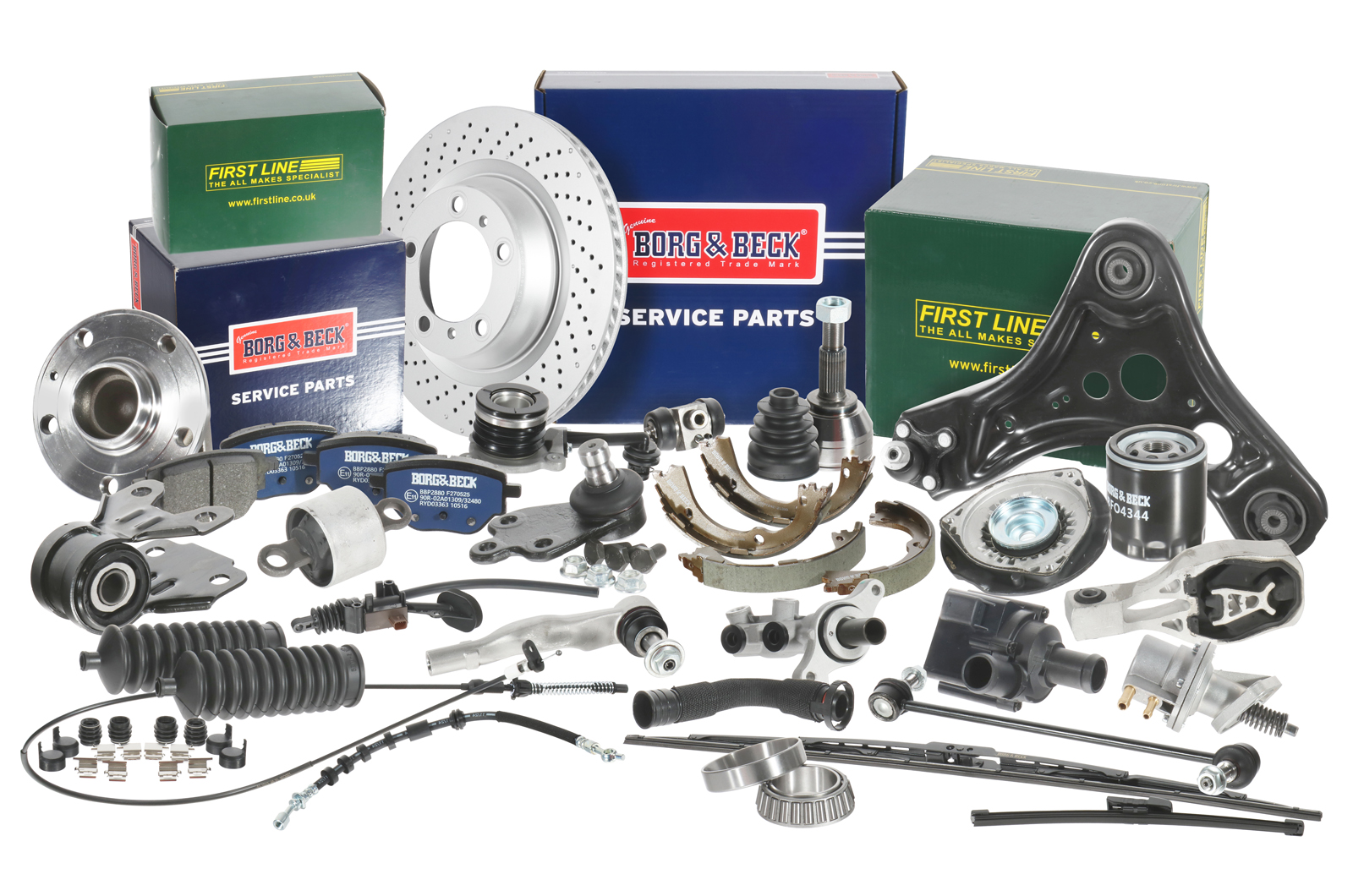
“We rolled out the initiative after hearing that independents are turning away business due to cataloguing problems and a shortage of parts for Chinese brands,” said First Line's IT, Product and Marketing Director, Kelvin Olds. “First Line now lists 115 routine brake, steering and suspension parts for BYD and MG models. But we're keeping an eye on Jaecoo, which is the fastest-growing Chinese manufacturer in the UK, and want to be prepared for when vehicles come out of its seven-year manufacturer warranty period.”
As for GSF Car Parts, it says its latest aftermarket supply programme is designed to ensure customers “are on the front foot” when it comes to accessing critical Chinese vehicle parts.
A GSF spokesman told CAT that “the growth of Chinese brands presents a significant opportunity for independent workshops”, adding that many of the concerns surrounding these vehicles stem from unfamiliarity rather than their complexity. “With the right support, technical information and access to parts, independent garages are well positioned to embrace this emerging market and benefit from its long-term growth.”
Adam O'Neill, Partnerships Director at GSF, added: “Independent workshops have built loyal customer bases over many years, and many of those customers will choose a Chinese vehicle as their next car. Investing in the right skills, training and equipment today protects future revenue. So, through Servicesure [GSF’s national garage membership arm] we're helping members build the confidence to service and repair Chinese vehicles through access to technical information, training, diagnostics support and expert guidance on repair procedures.”
While it's encouraging to see these aftermarket giants attempting to help independents by supplying replacement parts quickly and at competitive prices, the wider issue remains dealing with complex diagnostic and repair issues. This is due to the acute scarcity of the right information, dedicated expensive diagnostic software and relevant replacement electronic parts, which – in many instances – are specific to that model.
The Chinese auto industry infrastructure works in different ways to the traditional European model, meaning a vehicle can take up valuable workshop space for weeks. This is despite the European Commission’s ‘Automotive Package’ that's specifically designed to ensure data transparency for independent workshops, and the UK’s Motor Vehicle Block Exemption Order (MVBEO), which grants independents access to parts and repair intelligence.




Go to comments